

Anxiety Therapy During Times of Rapid Cultural Change
Rapid culture change can create emotional whiplash—which often shows up at work, at home, and in our relationships, and Anxiety Therapy can help.
Cultural change has always been part of human history—but the speed of change today can feel uniquely destabilizing. Social norms, language, expectations, and values can shift in what feels like a matter of months. For many people, especially those who are thoughtful, empathetic, and socially engaged, this can create a kind of emotional whiplash: a disorienting mix of confusion, grief, anger, and anxiety that’s hard to name, let alone manage.
You might notice this most acutely when people you care about—friends, coworkers, or family members—enthusiastically support cultural changes that you experience as wrong, harmful, or deeply unsettling. Even if you broadly share similar political or social values, moments of divergence can feel jarring. And because these conversations often carry moral weight, they can hit far deeper than a simple disagreement.
How Emotional Whiplash Shows Up
One of the most common reactions to rapid cultural change is anxiety. Not always the racing-heart, panic-attack kind—but a low-grade, persistent sense of unease. You might find yourself replaying conversations long after they’re over, wondering whether you said too much, not enough, or the “wrong” thing. You may feel pressure to constantly monitor your language, opinions, or online presence, which can become mentally exhausting.
At work, this can show up as difficulty concentrating or a sense of hyper-vigilance. You might hesitate to speak up in meetings, overthink emails, or worry that an offhand comment could be misunderstood. Even in workplaces that value inclusion and openness, the fear of social or professional consequences can quietly drive anxiety and self-censorship.
In friendships, emotional whiplash can lead to withdrawal. You may avoid certain people or topics altogether, not because you don’t care, but because the emotional cost feels too high. Some people notice resentment creeping in—resentment that can coexist with love, which makes it even more confusing.
Day-to-day, this stress often spills into your body and routines. Difficulty sleeping is common, particularly when your mind feels “stuck” on the news cycle or social media. You might scroll late into the night, hoping for clarity or resolution, only to feel more agitated. Many people describe an inability to “turn it off,” even during downtime that used to feel restorative.
Why This Feels So Hard
Cultural change doesn’t just challenge ideas—it can challenge identity, belonging, and your sense of moral grounding. When the rules feel unclear or constantly shifting, your nervous system may stay in a heightened state of alert. Over time, this can contribute to chronic stress and anxiety symptoms, even if nothing is “wrong” in the traditional sense.
Importantly, feeling unsettled by change does not mean you are rigid, regressive, or failing to grow. It often means you’re trying to reconcile deeply held values with a fast-moving world, and that’s inherently demanding emotional work.
How Anxiety Therapy Can Help
Anxiety therapy can offer a space to slow this all down. Rather than telling you what to think or feel, anxiety therapy helps you understand how these cultural pressures are affecting your nervous system, relationships, and sense of self. Together, with your anxiety therapist you can work on skills to reduce rumination, set healthier boundaries with news and social media, and navigate difficult conversations without losing yourself in them.
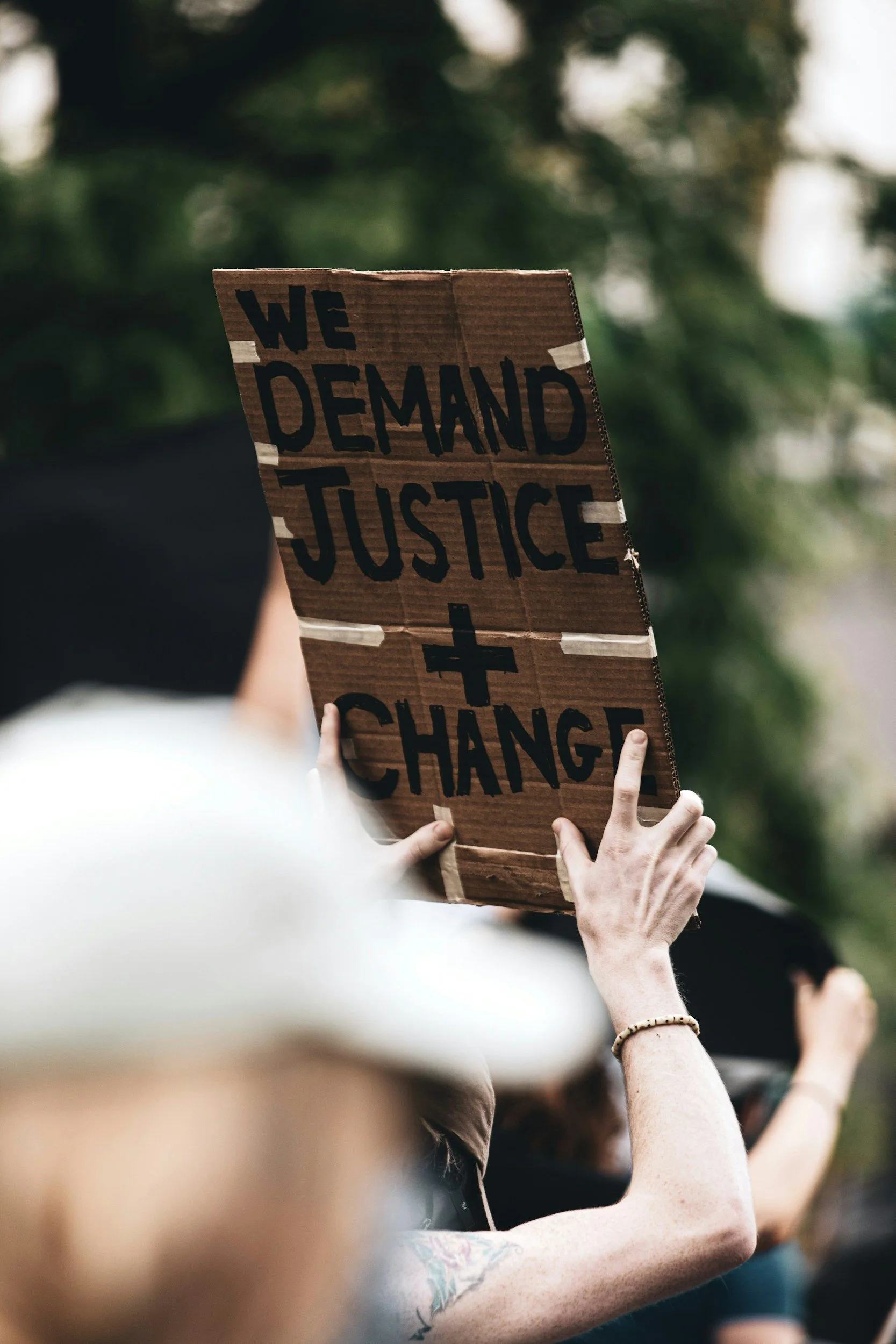
An effective anxiety treatment approach also helps normalize ambivalence—the ability to hold conflicting thoughts and emotions at the same time. You can care about justice and progress while also acknowledging discomfort, fear or a need for space. Those experiences are not mutually exclusive.
If you’re feeling emotionally whiplashed by the pace of change, you’re not alone—and you don’t have to push through it in silence. Anxiety therapy exists to help you feel steadier, clearer, and more grounded as you navigate an increasingly complex world.
Dr. Amelia Powelson is a Licensed Clinical Psychologist, a Certified Clinical Trauma Professional (CCTP), and the owner of Perspective Psychology, LLC. She can be reached at 312.588.9672 or amelia@perspectivepsychchicago.com.