

Understanding The Difference Between Trauma and PTSD
Are you wondering if you have post-traumatic stress disorder (PTSD)? You may be thinking to yourself, I know my experience was traumatic—I was in a car accident, a victim of an assault, or witnessed an act of violence—but do I have PTSD? You’re trying to determine: Is my reaction normal? Am I thinking about it too much? Is it affecting me too much?
First and foremost, not everyone who experiences trauma has PTSD. PTSD is a response to a traumatic situation that was experienced or witnessed, but it’s not something everyone develops. In fact, two people can have the same experience—witnessing a shooting, for example—but walk away with different feelings and impacts on their lives. It doesn’t mean it was “more traumatic” for one person. No one’s response is right or wrong. Our reactions are about how our body and mind process what happened.
Trauma exists on a spectrum. It can be brought on by many different situations—both one-time events (such as experiencing a natural disaster) or chronic events (such as abuse or neglect). It’s natural for these situations to feel consuming, especially immediately following. You can feel a wide range of emotions and possibly even go through a variation of the stages of grief—denial, sadness, anger, bargaining, and eventually acceptance—even if there was not a loss. This is our brain’s way of making sense of situations; it’s processing our experiences.
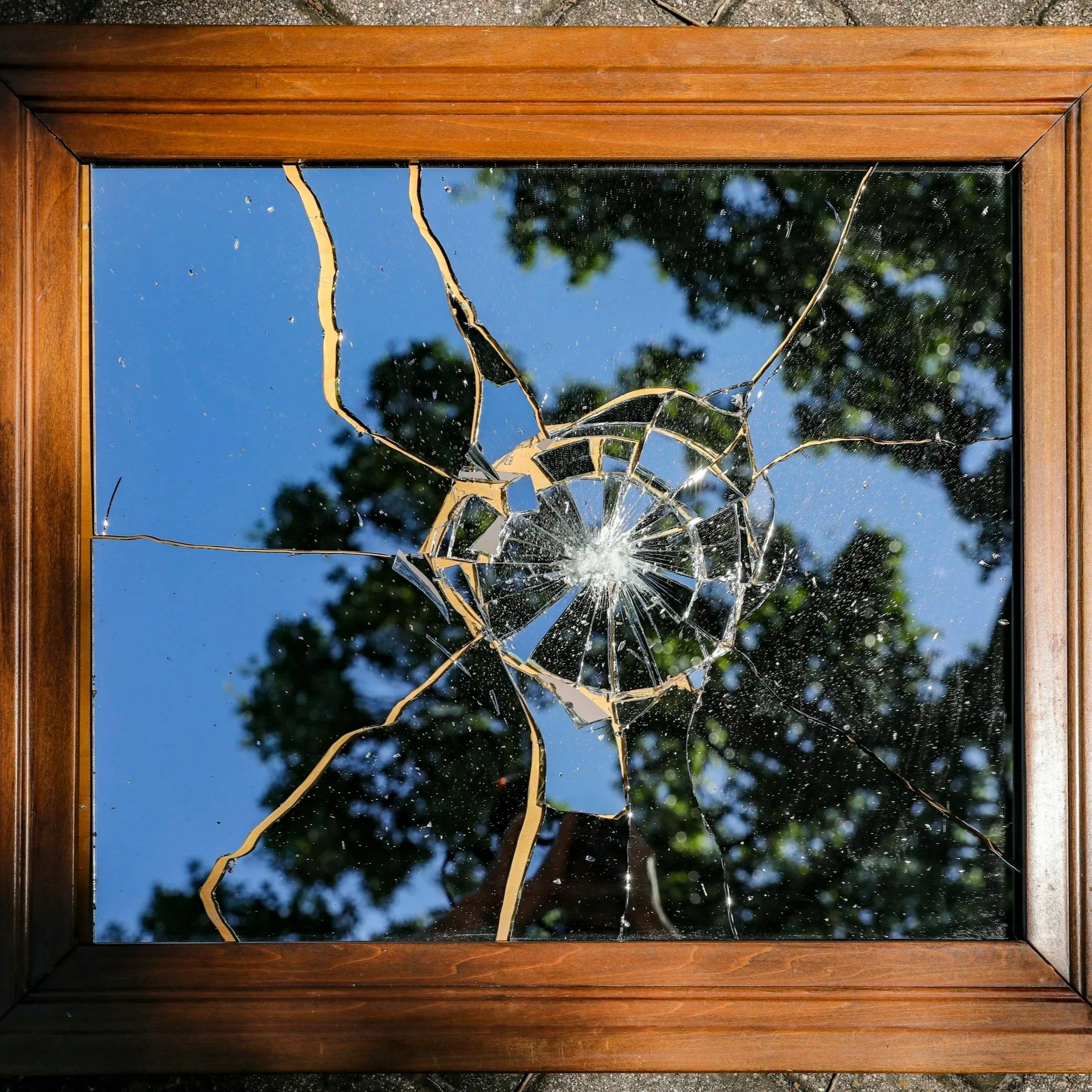
For some people, the symptoms may resolve themselves more quickly—and by using coping skills they already have; for example, turning to loved ones for support, journaling, or using relaxation techniques. Whereas for others, despite their efforts to care for themselves, they feel out of control and symptoms continue (or even worsen).
A typical trauma response is when you experience any of the following, but the symptoms become less intense over time:
Feeling anxious, overwhelmed, or emotionally numb
Difficulty sleeping or temporary nightmares
Being more alert or easily startled
Thinking about the event frequently
Wanting extra support from loved ones
PTSD develops when the following symptoms are experienced and the trauma feels consuming over an extended period and impairs your daily life (work, relationships, and your desire to do enjoyable activities):
Re-experiencing the trauma through intrusive memories, nightmares, or flashbacks
Avoiding reminders—people, places, and memories—of what happened
Changes in your thinking (“the world is no longer safe”) or in your mood (feeling guilt, sadness, fear, or simply disconnected from others)
Increased arousal that leads to being hypervigilant, easily startled, irritable, or having difficulty sleeping
Developing PTSD is not your fault. It doesn’t mean you did something wrong, or that you didn’t “cope the right way.”
Although the amount of time you’ve been experiencing symptoms does impact if you’re diagnosed with PTSD, it’s important to remember that there is no timeline for healing. Nor is there a window or deadline when you need to reach out for help. Whether it happened years ago or last week, you can heal from trauma.
Rather than asking yourself, “Do I have PTSD?”, ask yourself, “Is my trauma interfering with me living the life I want?” If the answer is yes, consider reaching out to start trauma therapy. A trauma therapist can help you process your trauma so that you understand it, the impact it has on your life, and learn ways to cope so that you can move forward and live the fulfilling life you want for yourself.